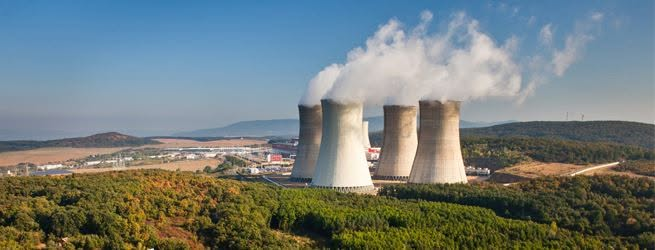
Slovakia’s nuclear expansion reached a major milestone when utility operator Slovenské Elektrárne announced that unit 4 of the Mochovce nuclear power plant achieved first criticality. The 471-MWe VVER-440 pressurized water reactor sustained its first controlled, self-supporting chain reaction at 10:10 p.m. local time, followed shortly by reaching its minimum controlled power level.
The achievement marks the transition of Mochovce 4 from the construction and fuel-loading phase into active commissioning. Project director Martin Mráz noted that the milestone validates the readiness of the plant’s systems as it prepares for physical startup tests across various power thresholds. These trials will culminate in a mandatory 144-hour full-power demonstration run ahead of final grid synchronization and commercial operation.
Construction on units 3 and 4 at the Mochovce site initially began in the late 1980s before facing prolonged delays following the fall of communism. Work resumed under extensive modernization programs to meet contemporary European Union safety standards, with sister unit Mochovce 3 having entered commercial operation. Once unit 4 is fully commissioned, Slovakia will operate six pressurized water reactors across its Mochovce and Bohunice sites, pushing nuclear energy to account for approximately 77.5% of the nation’s total electricity consumption—one of the highest proportions globally.
The successful criticality of Mochovce 4 offers a compelling case study in the long-term execution and modernization of legacy nuclear assets. Bringing a multi-decade, Soviet-era design through extensive safety retrofits to meet modern European regulatory standards demonstrates exceptional persistence in long-cycle engineering.
For the broader nuclear business sector, the completion of the Mochovce project underscores a vital strategic advantage: the ability to dramatically scale domestic, baseload clean energy without relying on new, unproven designs. As nations across Europe grapple with severe energy security demands and the imperative to phase out fossil fuels, Slovakia’s trajectory highlights how completing long-delayed nuclear assets can instantly secure national energy independence and establish a world-leading decarbonized grid mix.